Home / Choosing Countertop Materials for a Riverside Kitchen
Choosing Countertop Materials for a Riverside Kitchen
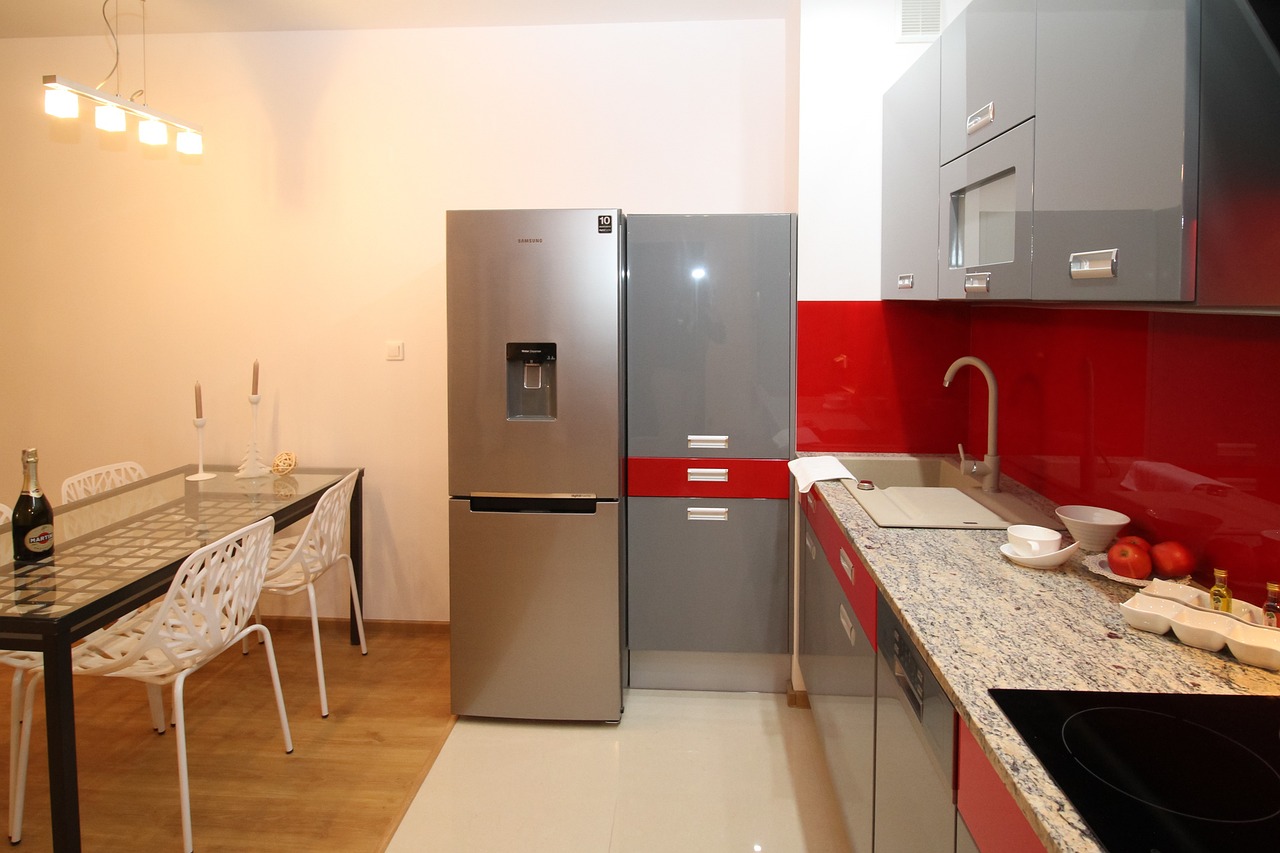
The best countertop material for a Riverside kitchen is usually the one that matches how the room is actually used: granite or quartz for busy family cooking, quartzite for a lighter look with real hardness, and marble only for cooks who accept visible aging. Riverside adds a few local conditions to that choice, including summers that regularly pass 100 degrees, hard water from the Santa Ana River basin, and a housing stock that runs from Wood Streets bungalows to tract homes in Orangecrest and La Sierra.
Start with how the kitchen gets used
Before comparing slabs, write down what happens on the counter in a normal week. A household that cooks daily, rolls dough, sets down hot pans and lets kids do homework at the island needs durability first and beauty second. A kitchen used mainly for coffee and reheating can handle a softer, more delicate stone. Riverside families often entertain outdoors in the warm months, which means the indoor kitchen sees heavy prep traffic, trays of drinks and sweating pitchers that leave rings on any unprotected surface.
That daily picture sorts the materials quickly. Hard, low-maintenance stones suit heavy use. Softer or more reactive stones suit light use and owners who enjoy a lived-in look.
Granite in a Riverside kitchen
Granite is the dependable workhorse. It is a quarried igneous stone, so it resists heat from a pan lifted off the burner and shrugs off knife traffic better than most surfaces. Each slab is unique, with flecks and movement that cannot be repeated, which suits Mission Inn district homes where character matters. Granite is porous to a degree, so it needs a penetrating sealer applied by the installer and refreshed on a schedule. In Riverside, where hard water leaves mineral rings around faucets, a sealed granite top wipes clean easily and does not hold those rings.
Lighter granites with gold and cream tones tend to hide dust and water spots well, a practical plus in a region where dry air carries fine dust through open windows most of the year.
Quartz for consistency
Engineered quartz is crushed quartz bound with resin, formed into slabs with a controlled pattern. The appeal is consistency: the sample in the showroom closely matches what arrives. It does not need sealing because the resin fills the pores. The tradeoff is heat. Resin can scorch or discolor under a pan straight off a burner, so a trivet is mandatory. In a Riverside summer, a quartz counter near a sunny window can also warm up considerably, so the habit of setting hot cookware on a pad matters even more.
Quartz suits Orangecrest and La Sierra remodels where owners want a clean, uniform look across a large island and simple upkeep.
Quartzite and marble, the lookalikes
Quartzite is a natural metamorphic stone that often resembles marble, with soft veining in whites and grays, but it is considerably harder. It resists etching from lemon juice and wine far better than marble does. Genuine marble is calcium based, so acids dull the polished surface within minutes. Many homeowners in Arlington Heights and Canyon Crest, where kitchens are larger and often more formal, choose quartzite to get the marble look without the worry.
Because some stones sold as quartzite behave like softer stone, ask the fabricator to show a sample being scratched with a steel blade and tested with a drop of lemon juice. A true quartzite will not mark.
Newer options: porcelain and soapstone
Porcelain slabs are fired at very high temperatures, which makes them heat proof and nearly impossible to stain. They suit homeowners who want a matte, modern surface and who do cook with high heat. Edges need careful fabrication because the material is thin. Soapstone is the opposite personality: soft, nonporous, and happy to scratch and darken over time. It suits owners who like an aged appearance and do not mind oiling.
Water, light and heat in the Inland Empire
Hard water leaves white scale on every surface near the sink. Dark, polished stones show scale more clearly, while honed or lightly patterned stones hide it. A weekly wipe with a soft cloth is enough on sealed surfaces; avoid acidic scale removers on marble and unsealed granite.
Heat matters in two ways. First, a house that stays warm through September expands and contracts more, so a countertop with a long unsupported overhang needs proper support brackets. Second, direct sun through a west-facing window can fade some dyed or resin-based surfaces over many years, so ask about UV stability if the kitchen gets strong afternoon light.
Matching the stone to the home
- Bungalows near the Mission Inn: smaller footprints reward fine-grained stones that do not overwhelm the room.
- Hillside houses in Canyon Crest: large kitchens and big windows suit bold veining and long slab runs.
- Tract homes in Orangecrest and La Sierra: uniform quartz or calm granite ties together open plan layouts.
- Casa Blanca cottages: durable, simple surfaces that handle a modest update without fuss.
See the full slab, not just a sample
A small sample hides variation. Granite and quartzite can shift from one end of a slab to the other, and a fabricator can place a cutout so that the most attractive section lands on the island. Visit the stone yard when possible, look at the slab upright under daylight, and decide where the seams will fall. A well-planned layout keeps seams away from the sink and cooktop, where movement and moisture stress them most.
Thickness, support and the sink area
Most residential tops are cut from slabs about three centimeters thick, while two centimeter material is common in porcelain and some quartz. Thinner stone is often laminated at the edge to look thicker, or it rests on a full plywood deck. Older Riverside homes frequently have cabinets that have drifted out of level after decades of settling, so a good fabricator checks the run with a long level before cutting and shims the base cabinets where needed. An undermount sink removes the lip that traps crumbs, but it needs a clean, well-sealed cutout, because standing water at a raw stone edge slowly breaks down the bond and darkens the stone around the opening.
Ask which direction the veining runs on each section and whether the sink cutout will land on a vein. A long, narrow strip of stone between a sink and a cooktop is the most fragile part of any kitchen, and a continuous vein through that strip can become a weak line. Planning the cutout around it, or choosing a stone with a more even structure, prevents a crack that shows up a year after install.
A simple decision path
If the cook is hard on surfaces, pick granite or quartz. If the look of marble is non-negotiable but staining worries the household, pick quartzite after testing it. If heat and outdoor-style durability top the list, pick porcelain. If patina sounds appealing, soapstone is honest about aging. Whatever the choice, confirm sealing needs, edge options and how the installer handles seams, because the fabrication quality often matters as much as the stone itself.
Riverside kitchens ask a lot of their counters through long warm seasons. Choosing a stone that fits the way the room is used keeps the surface looking good long after the remodel dust has settled.