Home / Engineered Quartz Explained
Engineered Quartz Explained
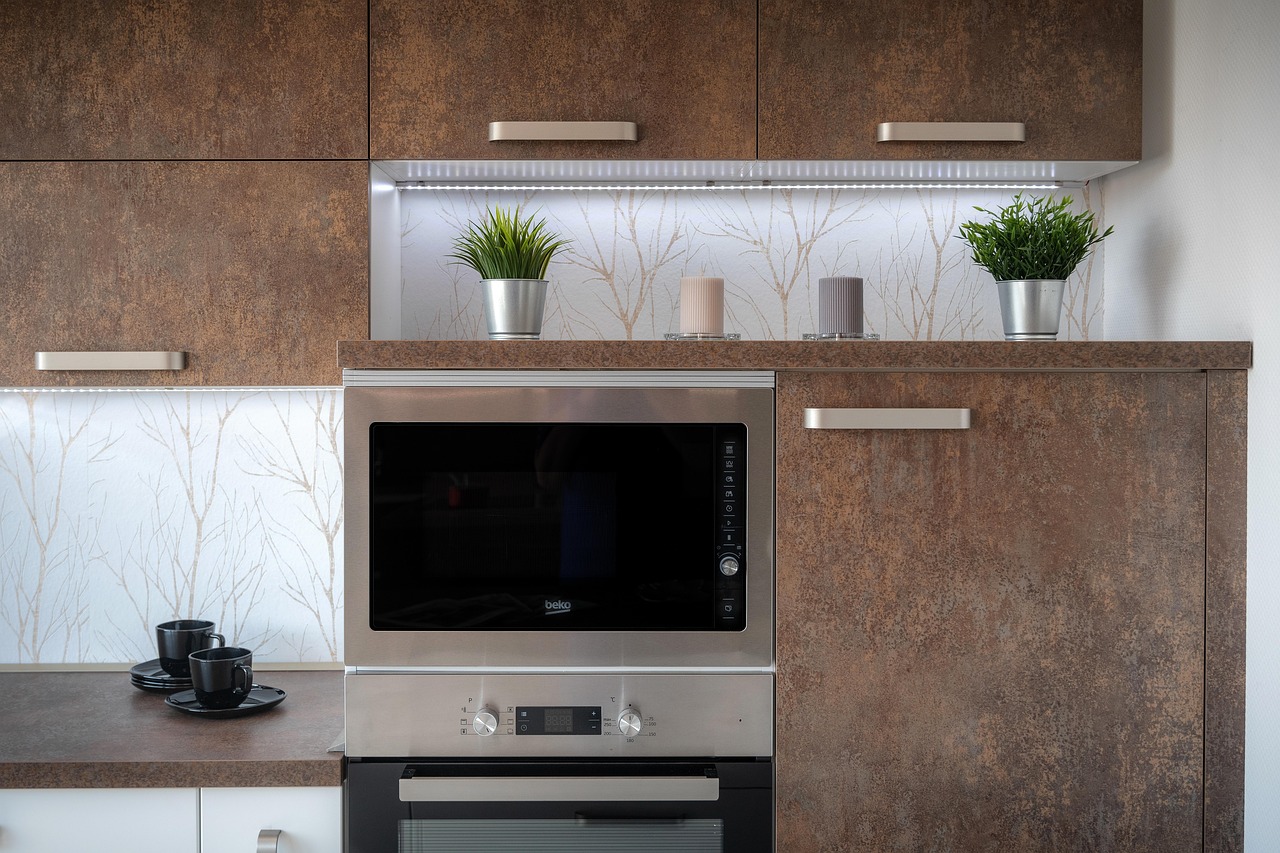
Engineered quartz is a manufactured slab made of ground natural quartz, bound together with polymer resin and colored with pigments, then pressed and cured into a solid sheet. It is non-porous, consistent in pattern, and needs no sealing, but the resin makes it more sensitive to high heat than natural stone. Knowing how the slab is made explains both its strengths and its limits.
What goes into a slab
A typical slab is built from crushed quartz crystals, a mineral second only to a handful of gemstones in hardness, mixed with resin at the ratio the manufacturer has refined. Pigments set the color, and recycled glass, mirror chips or shell fragments may be added for sparkle. The blend is poured into a mold, compacted under vacuum and vibration to remove air, and cured with heat. The slab is then ground flat and polished.
The quartz gives hardness and scratch resistance. The resin fills every gap between particles, which is why the finished surface has no pores to absorb liquid.
Patterns and how they are produced
Because the process is controlled, a factory can create a pure white, a gray that mimics concrete, or a veined slab that imitates marble. Veining is made by swirling pigmented mixtures together before pressing. Simple patterns repeat almost exactly across slabs, while complex veined designs vary a little from one slab to the next. This is why a buyer should look at the specific slab or lot for a large veined project rather than relying on a small sample.
Some manufacturers now offer through-body veining, in which the pattern runs through the thickness of the slab, so a mitered edge looks natural rather than showing a plain core.
Strengths for everyday kitchens
- No sealing: the non-porous surface resists stains from coffee, wine and oil.
- Consistent color: long runs and multiple slabs match closely.
- Scratch resistance: the quartz content is very hard.
- Hygiene: with no pores, bacteria have little place to hide.
- Flexibility in design: colors range far beyond what quarries supply.
Heat and its limits
Resin softens and discolors at temperatures well below what the quartz mineral itself can take. A pan taken straight from a burner or a baking sheet from a very hot oven can leave a yellow or white ring, or even a crack from thermal shock if the slab is cold on the opposite side. Manufacturer guidance generally advises using trivets or hot pads with every hot item. Slow cookers and electric griddles that sit on the surface for hours also deserve a pad underneath, since the heat builds slowly and concentrates.
Sunlight and outdoor placement
Ultraviolet light breaks down the resin and pigments over time, so quartz meant for indoor kitchens is not recommended for patios or outdoor kitchens. A slab that sits in constant direct light by a large window may also shift color slightly after years of exposure, especially in whites and pale tones. Where a sunny exposure is unavoidable, a shade or window film reduces the load.
Staining and cleaning
The surface rarely stains, but strong chemicals such as paint stripper, oven cleaner and bleach can damage the finish. Everyday cleaning calls for warm water and mild soap. Dried spills can be softened with a damp cloth and lifted with a plastic scraper, never a metal blade. Because the finish is a smooth polish, hard water scale appears as a cloudy film, and a diluted vinegar solution followed by a rinse usually clears it.
Edges, seams and thickness
Quartz takes the same edge profiles as natural stone. It is slightly more brittle at sharp corners, so a small rounding on each corner reduces chip risk. Seams are glued with resin adhesive tinted to the slab color; on a plain or lightly patterned quartz, a good seam is nearly invisible, while on bold veining it shows more. Slabs are commonly two or three centimeters thick, and thicker looks are made by laminating strips under the edge.
Repairing damage
Small chips can be filled with color-matched epoxy. Deep scratches and burn marks are harder, because grinding the area changes the gloss and can leave a visible patch. For that reason, prevention matters more than repair. Cutting boards, trivets and a gentle touch around the edge near the sink and dishwasher keep a quartz top looking new.
Weight and installation
Quartz slabs are dense and heavy, usually more than a comparable thickness of granite. Installers use lifting equipment and a minimum of two people for any large piece. Base cabinets must be level and solid, and any cutouts for sinks and cooktops are made with rounded inner corners because sharp interior corners concentrate stress and can crack later. A reputable fabricator will always round those corners.
Anyone weighing materials may find it helpful to look at the following overview that readers sometimes visit at riverside custom countertop installation desk before deciding.
How it compares with natural stone
Granite offers heat tolerance and natural variety, marble offers a classic look with etching risk, and quartzite offers hardness with a marble feel. Engineered quartz sits in the middle for maintenance and at the high end for consistency. It suits buyers who value predictable results and a clean, uniform look in large kitchens with long islands or open layouts.
Questions to ask before buying
- What is the heat guidance in the written warranty?
- Is the pattern through the body or only on the surface?
- How many slabs will the project need, and are they from the same production lot?
- How will seams be positioned relative to the sink and cooktop?
Good answers to those four questions tell you more about the eventual result than any brochure.
Silica dust and safe fabrication
Engineered quartz contains a very high share of crystalline silica, and cutting or grinding it dry releases fine dust that is harmful to lungs. Responsible shops cut with water, use dust extraction at grinders and wear respirators. For a homeowner, the point is practical: cutouts and edge work should be done in the shop wherever possible, not in the driveway or kitchen. Once a slab is polished and installed, it is inert and perfectly safe to live with.
Recycled content and finishes
Some lines are built with recycled glass, porcelain or mirror chips replacing part of the quartz, which gives a terrazzo look with larger visible fragments. Finishes beyond high polish include honed, leathered and a lightly textured surface that imitates stone. These matte finishes show fewer water marks but can hold fingerprints and oils a little more, so they take slightly more wiping.
Warranty paperwork deserves a read as well. Many manufacturer warranties apply only when a certified fabricator performs the installation, and they typically exclude heat damage, outdoor use and chemical burns. Keeping the slab tag number and lot information with the project records makes any later claim far easier.