Home / Porcelain and Sintered Stone Slabs
Porcelain and Sintered Stone Slabs
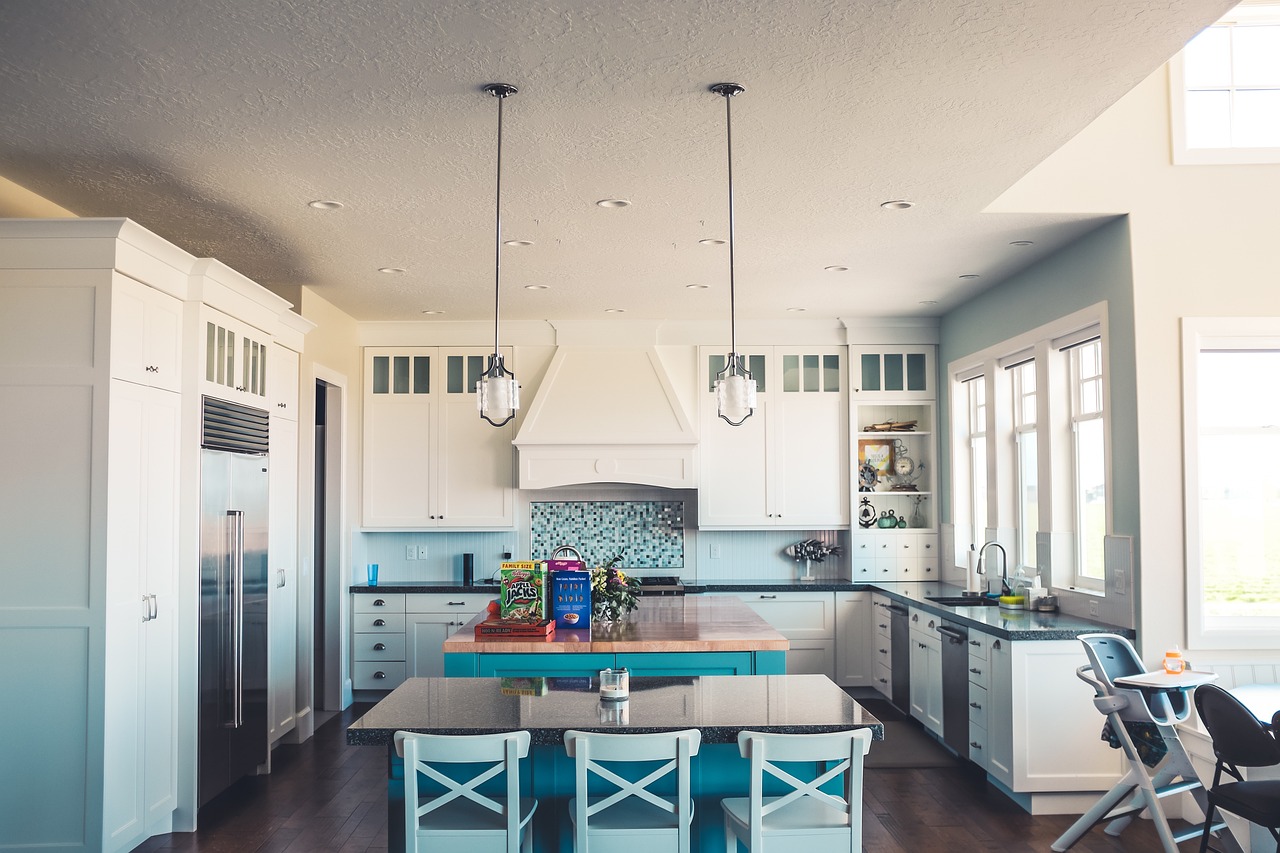
Porcelain and sintered stone slabs are large, thin sheets of compressed minerals fired at extreme temperatures, which makes them nearly immune to heat, scratches, stains and ultraviolet light. They are a newer arrival in kitchens, and their main limits are thin profiles that need careful edge work and a surface that can chip at corners under a hard impact.
How the slabs are made
Manufacturers mix fine clay, feldspar, silica and mineral pigments, then compress the powder under immense pressure into a large sheet. The sheet is fired in a kiln at temperatures far above those used for ordinary tile, fusing the particles into a dense, glass-like body. This process is called sintering, and it mimics in hours what the earth does to rock over millennia. A printed or through-body pattern gives the slab its look, which can imitate marble, concrete, wood or metal.
Sizes and thickness
Slabs are typically large, often about sixty by one hundred twenty inches or bigger, and come in thicknesses from a few millimeters up to about twenty millimeters. Thin sheets are lightweight and suit walls, backsplashes and cladding. Thicker slabs are used for countertops. The generous dimensions mean fewer seams on islands and long runs than traditional stone.
Heat and fire
Porcelain does not burn or soften under cookware heat. A hot pan can sit directly on it without leaving a mark. That makes the material a favorite for homes with outdoor kitchens, built-in grills and cooktop surrounds. As with all rigid materials, extreme sudden changes can in rare cases stress an unsupported area, so setting very hot items on the center rather than at a cutout corner is the safe habit.
Scratches and stains
The surface rates very high in hardness, so knives, keys and pans seldom leave marks, though a sharp point or deliberate cutting can damage some printed finishes. The body has almost no porosity, so wine, coffee and oil do not penetrate. No sealer is ever needed. Cleaning is as simple as water and mild soap.
Ultraviolet stability
Since the color is fired in rather than applied as resin, sunlight does not fade it. This is the biggest reason porcelain is recommended for patios, pool surrounds and outdoor kitchens where engineered quartz would degrade. It also freezes and thaws without damage in colder climates.
Pattern depth and realism
- Surface-printed slabs: the pattern lies near the top; edges reveal a plain core unless finished carefully.
- Through-body slabs: color runs deeper, so cut edges look more natural.
- Book-matched sets: consecutive slabs mirror one another, a look used on feature walls and waterfall ends.
Where it can chip
The dense, hard body is somewhat brittle. A dropped heavy pan on an edge or corner can chip it, and repairs, while possible with color-matched filler, are not always invisible. Rounded or slightly eased corners reduce the risk. Thin slabs also depend on full support beneath them; they should not be left with long, unsupported spans or aggressive overhangs.
Fabrication is a specialty
Porcelain is cut with water-jet or specialized diamond blades, and it demands more skill than granite. Cutting inside corners needs generous radii because sharp interior corners crack. Sink cutouts are best supported with reinforcement strips beneath. Not every shop handles it, so asking about experience with the material, and how many similar jobs they have completed, is worthwhile.
Seams and edges
Large format means fewer seams, and where they occur, a narrow joint with a color-matched adhesive stays almost unnoticeable. Edge treatment is its own subject, since a thin slab looks delicate; options include mitered folds, where two pieces meet at a forty-five degree angle to form a thick-looking edge with continuous pattern, and laminated builds that stack strips.
Anyone browsing the broader family of surfaces may wish to look at riverside custom countertop installation desk for another perspective.
Weight and handling
Though thinner than natural stone, a large slab remains heavy and awkward to move. Installers use vacuum lifters and A-frames, and flat transport avoids snapping. Cabinets still need to be level and well supported.
Comparison with other surfaces
Compared with granite, porcelain resists heat just as well and needs no sealer, but its edges are more fragile. Compared with quartz, it has better heat and sun tolerance, though chip repair is harder. Compared with marble, it offers a similar look without etching, trading away the true depth of natural stone. Choosing between them is a matter of priorities: outdoor durability and modern looks favor porcelain, while a traditional feel and easy repairs favor natural stone.
Thin cladding versus true countertop thickness
Because the same family of products serves walls, floors and counters, the thickness stamped on the slab matters. A six millimeter sheet is a cladding material that can cover cabinet faces, backsplashes and shower walls but cannot carry weight on its own. Twelve millimeter slabs can serve as countertops when fully bonded to a rigid substrate, and twenty millimeter slabs can span between cabinet supports much like stone. Buying the wrong grade for a countertop is a common error that shows up as cracks at the sink.
Backsplash and wall pairing
One of the pleasures of this material is running the same pattern from counter to wall without a visible break. The slab simply continues up behind the stove, with a single seam where horizontal meets vertical, and grout lines disappear. This is easier to clean than tile, because dirt has no joints to settle in. Cutting openings for electrical outlets takes specialized tools, so the outlet locations should be marked precisely on the template before the slab is cut.
Finishes: polished, matte and textured
Polished porcelain reflects light and echoes marble. Matte finishes read as concrete or plaster and hide fingerprints. Textured finishes imitate the grain of wood or the roughness of limestone, and they trap a little more grime, which a brush loosens easily. Anti-slip finishes are produced for outdoor decks and wet areas. Decide on finish by holding a full size sample under the lights of the room.
Common concerns answered
- Does it feel cold? Yes, like most mineral surfaces, though less so than metal.
- Does it sound hollow? No, when bonded fully to the base; a hollow tap means a poor bond.
- Can it be refinished? Deep scratches are rare, and refinishing is limited because the printed layer is thin.
- Is it recyclable? Offcuts can be crushed for aggregate, but most end up in landfill.
Planning for lead time
Lead times for large imported slabs can run longer than for common granite, and a damaged slab may take weeks to replace. Ask the fabricator to inspect each slab for chips, bowing and print flaws on delivery, before any cutting starts. Once cut, a slab cannot be returned, so this early check protects the schedule of the whole kitchen.