Home / Soapstone and Other Low-Porosity Stones
Soapstone and Other Low-Porosity Stones
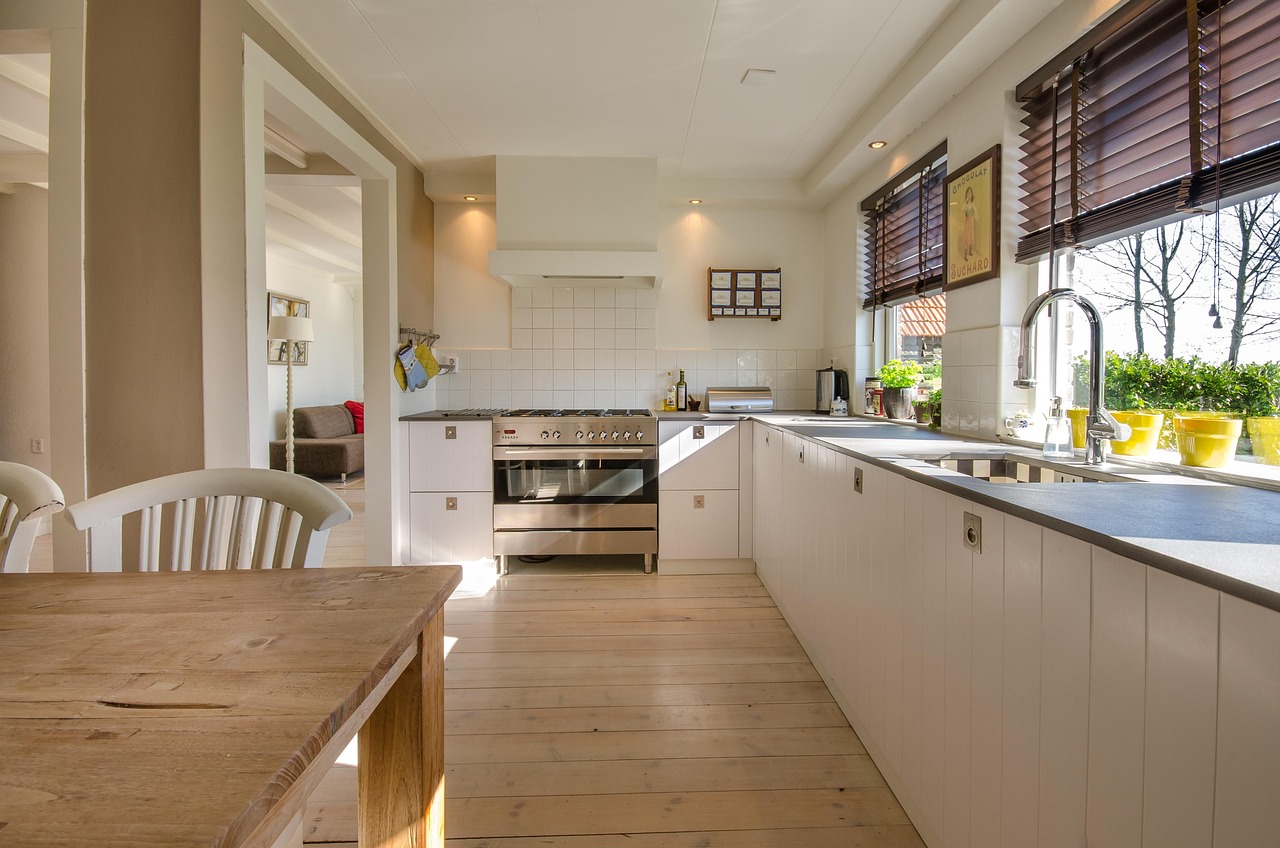
Soapstone is a soft, dense metamorphic rock rich in talc that has almost no pores, so it never needs sealing and does not stain, but it scratches easily and darkens with age into a rich patina. Slate and a few similar stones share the low-porosity trait. Together they suit owners who want a working, lived-in countertop instead of a pristine one.
What soapstone is
Soapstone forms when magnesium-rich rock is changed by heat and pressure into a mass dominated by talc, the softest mineral on the Mohs scale, mixed with harder minerals such as chlorite and magnesite. The more talc it holds, the softer and more sculptable the stone. Countertop-grade soapstone has enough harder minerals to hold up to kitchen work. The stone feels smooth and slightly waxy, and its natural color is a soft gray-green that deepens toward charcoal.
Why it does not stain
The grains are packed so tightly that liquids cannot enter. Wine, coffee, oil and lemon juice sit on top and wipe away. Acids do not etch it, because soapstone is not calcium based. That makes it one of the few natural stones that handles both stains and acids without a sealer, a trait that made it the standard for science laboratory benches and old kitchen sinks.
Heat behavior
Soapstone absorbs and releases heat slowly and tolerates very high temperatures. It has been used for wood stoves and fireplace surrounds for centuries. A hot pan can be set on it without damage. For that reason it appeals to people who cook with cast iron or pull trays from a hot oven.
Scratches are part of the deal
Soft means scratchable. Keys, pan bottoms and a careless knife leave marks that show up as pale lines on darker stone. The tradeoff is that scratches can be sanded away, sometimes with fine sandpaper and a little mineral oil, so the surface renews itself. Owners who dislike seeing wear on a countertop should look at other stones, while those who enjoy a surface that tells the story of the kitchen often grow fond of it.
Patina and oiling
New soapstone is light gray. Exposure to oils from cooking and skin, along with applied mineral oil, causes the surface to darken gradually into a deep charcoal or near black. Some owners apply oil or wax regularly to speed and even out this change. Others leave the stone alone and accept a patchy, natural evolution. The oil does not seal the stone; it only darkens it and makes scratches less noticeable. Without oil, the stone stays lighter and develops a soft, chalky look.
Slate as a related option
Slate is a close-grained metamorphic rock formed from clay or shale, and it breaks naturally into flat layers. It is harder than soapstone but can flake along the layers at edges and corners. It is low in porosity, resistant to heat and moisture, and appears in black, gray, green, and rust. A honed or cleft finish gives a textured, rustic look. Slate is often used in laundry rooms, farmhouse kitchens and outdoor spaces.
Other dense stones
- Basalt and lava stone: volcanic, dark, very hard, often glazed with enamel for color.
- Black granite varieties: extremely dense and almost non-absorbent.
- Serpentine: a green stone sometimes sold with soapstone, softer than granite but denser than marble.
Thickness and edges
Soapstone comes in slabs between two and three centimeters. Because it is soft, edges chip less than they dent, and a gently eased or rounded edge keeps corners from wearing quickly. Sharp, mitered corners are possible but need care. Seams are filled with an epoxy that matches the stone, and as the surface darkens the seam gradually blends in.
Installing in a working kitchen
Soapstone is heavy, comparable to granite, and cabinets must be strong enough to hold it. It is cut with the same tools as other stone but is gentler on blades. Because the material is soft, a fabricator can create integrated drainboards, grooves beside the sink and undermount cutouts with a smooth finish. Farmhouse sinks made of the same stone can match the counters exactly.
Somebody gathering general stone information might also look at riverside custom countertop installation desk for a broader overview.
Cleaning
Warm water and mild soap work. Avoid sandpaper pads unless intentionally removing scratches. Dishwashing soap does not harm the stone. Because it has no sealer to protect, strong cleaners are unnecessary, and abrasive scrubbing is the main thing to avoid.
Is it right for a particular household?
Soapstone suits cooks who value function, enjoy aging materials and are comfortable with a few dings. It is less suited to households that want a flawless, glossy appearance across years. A visit to a kitchen where soapstone has been in use for a decade shows the long-term appearance better than any sample.
Grades of soapstone
Quarries sort soapstone by talc content. Architectural grade, sold for sinks and counters, contains enough quartz and other harder minerals to resist everyday wear and appears in gray-green slabs with faint white veins. Artisan grade, higher in talc, is softer, darker in tone and used for carving and stoves. A kitchen should use architectural grade. Asking the supplier which grade a slab belongs to prevents the mistake of choosing a beautiful but too soft piece for a hardworking island.
Common quarry origins and character
Brazilian soapstone tends to be a medium gray-green with subtle movement. Stone from Virginia is celebrated for its deep, even charcoal tone and dense structure. Other sources produce bluish or nearly black slabs with pronounced white veining. These differences affect how fast the stone darkens and how visible scratches are, so seeing a full slab in daylight again pays off.
Farmhouse sinks and integrated bowls
Because the material carves easily, a sink bowl can be cut from the same block as the counter, producing a seamless look with no rim to catch crumbs. Soapstone sinks do not rust, stain or chip like porcelain, and they hold up under heavy cast iron pots. The cutouts and drains must be finished smoothly, since a rough interior traps grime. Grooves for draining are carved at a shallow angle toward the bowl.
Laboratory heritage
Chemistry classrooms used soapstone benches for generations because acids, bases and heat did not harm them. That track record is a reasonable way to understand the stone: it ignores chemistry and heat but shows wear from abrasion. Old benches that remain in use have a deep, dark patina and a faint sheen that no factory finish reproduces.
How the stone feels to live with
Many owners describe soapstone as friendly to the touch: smooth, a little warm, quiet when plates are set down. The matte surface does not glare in bright rooms, and it does not show water spots the way a glossy black countertop would. Over time the counter becomes a backdrop for daily routines rather than a showpiece, which is exactly what its supporters value most.