Home / Quartzite Versus Marble
Quartzite Versus Marble
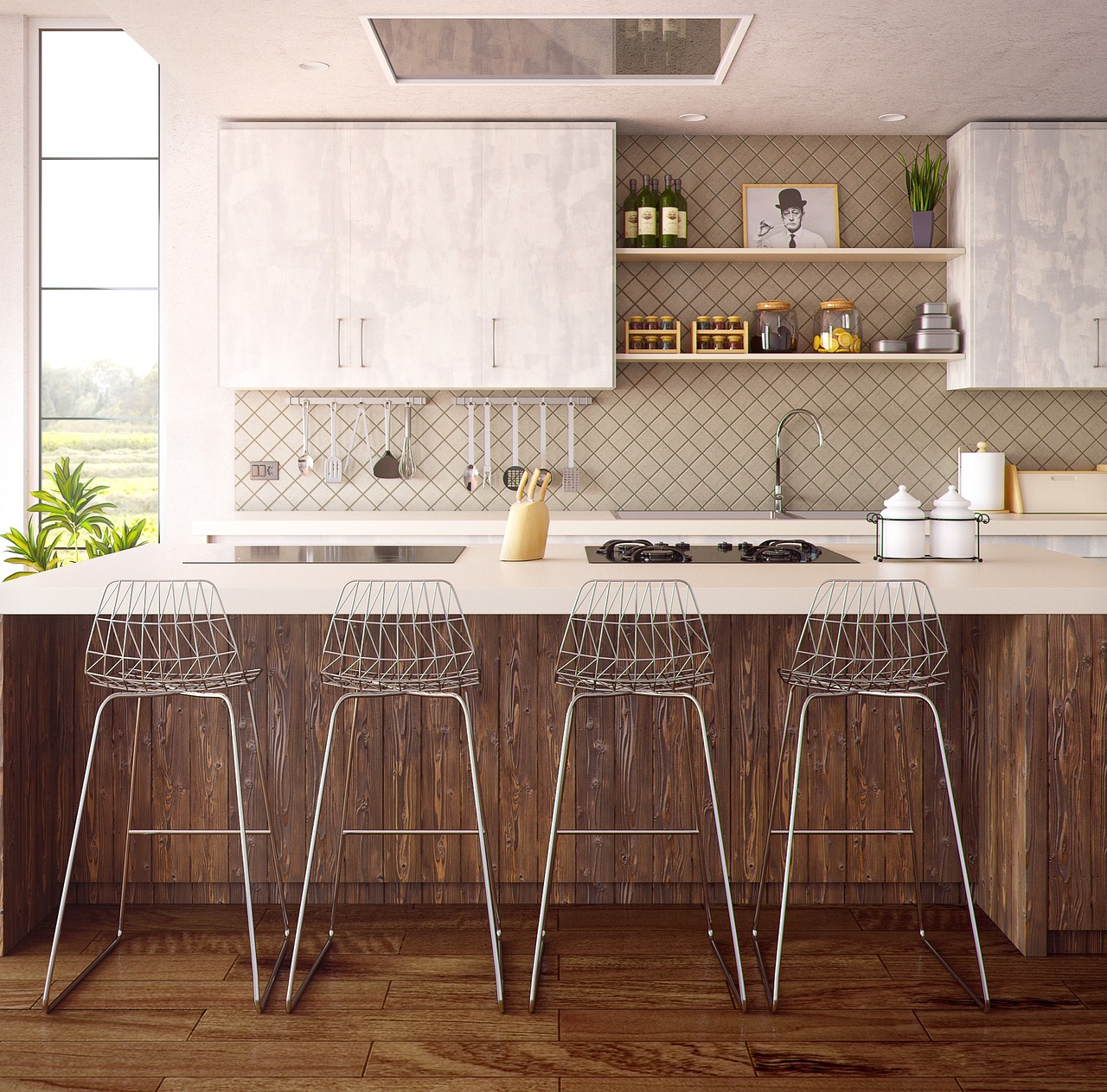
Quartzite is much harder than marble and resists acids, while marble is softer, etches easily, and develops a worn patina with use. The two stones can look almost identical in a showroom, with white or gray backgrounds and soft veins, but they are different rocks with different daily behavior. Telling them apart before buying prevents the most common regret in natural stone kitchens.
Two rocks with different origins
Marble began as limestone, a sedimentary rock made largely of calcium carbonate from ancient sea life. Heat and pressure recrystallized it into marble, and mineral impurities form the veins. Quartzite began as sandstone, rich in quartz grains, and the same kind of heat and pressure fused those grains into a dense interlocking mass. The chemistry is the key: calcium carbonate reacts with acid, while quartz does not.
Hardness on the Mohs scale
Marble sits around three to four on the scale, so a steel knife, a ceramic plate dragged across it or a gritty pot base can leave scratches. Quartzite ranks around seven, harder than a kitchen blade and in the same range as granite. In practical terms, marble shows wear from everyday use, while quartzite shrugs it off.
Etching versus staining
Many people confuse two different problems. A stain is color that soaks into the pores, like red wine in unsealed stone. An etch is a chemical burn: acid dissolves a thin layer of the polished surface and leaves a dull, lighter patch. Marble etches readily from lemon juice, vinegar, tomato sauce, wine and some cleaning products. Quartzite does not etch, though it can stain if left unsealed. Sealer helps with staining on both stones, but it does not prevent etching on marble because the problem is chemical.
Looks and veining
Marble tends to show a classic soft look: white Carrara with gray feathering, creamy Calacatta with bold gold and gray veins, or deeper greens and blacks. Quartzite offers similar whites and grays, along with warm taupe, blue-gray and even pink or green tones, often with crystalline sparkle when viewed under strong light. Veining in quartzite can be more linear or angular, while marble veining is often softer and cloud-like.
Honed or polished
Marble owners frequently choose a honed finish because etching is less obvious on a matte surface. Quartzite works in either finish. Polished quartzite is glassy and reflective, while honed gives a quieter surface that hides fingerprints.
Everyday care comparison
- Marble: wipe spills quickly, use a pH-neutral cleaner, use coasters under glasses with juice or wine, and accept that a few dull marks will appear. Many owners embrace this as a lived-in look.
- Quartzite: wipe with mild soap, reseal as needed, and use cutting boards to protect knives. No special worry about citrus.
Sealing needs
Both stones benefit from a penetrating sealer. Quartzite density varies: some types absorb almost nothing, others are more open. A simple water test, a few drops left on the surface for fifteen minutes, shows how well the stone is sealed. Marble generally needs more frequent sealing and more careful cleaning. When in doubt, ask the installer to test a sample piece in the shop.
Labels can mislead
Because buyers want the durability of quartzite, some soft stones such as dolomitic marble are marketed as quartzite. These stones look the part but behave more like marble. A reliable approach is to test them directly. Scratch an inconspicuous spot with a steel blade or the tip of a key and put a drop of lemon juice on the surface for several minutes. True quartzite is unaffected. A stone that scratches or etches is not the hard variety.
Where each one fits
Marble suits low-traffic spaces such as bathroom vanities, bakers' pastry counters where a cool surface helps with dough, and kitchens whose owners value history and patina. Quartzite suits main kitchen counters and islands that see heavy cooking, children and entertaining. Both stones work for fireplace surrounds and wet bars.
Heat behavior
Both handle heat from pots reasonably well, with quartzite slightly ahead. As with any natural stone, sudden extreme temperature change can crack a slab that has a hidden fissure, so a trivet under very hot cookware is still sensible.
Fabrication notes
Quartzite is hard enough to wear out saw blades and polishing pads quickly, so edge detail takes longer than on marble. Marble is easier to shape, including intricate edges such as ogee, but chips more easily during installation. Thin strips between cutouts are risky in either stone. Planning the layout with a fabricator before choosing a slab avoids surprises.
Some readers like to browse a general reference such as riverside custom countertop installation desk while they make up their minds.
Making the choice
If the household cooks heavily and wants a low-worry surface, quartzite is the safer pick. If the household loves the look and accepts patina, marble offers beauty that few stones match. Seeing the full slab, testing the sample, and asking how the stone will be sealed are the three steps that decide the outcome more than any name on a tag.
Edge details and mitered fronts
Because both stones have flowing veins, the way the edge is cut influences the final look. A mitered edge keeps veins running over the corner, making a thick profile appear carved from one block. A laminated edge shows a seam line and a vein break. Quartzite miters beautifully but takes longer to grind, while marble miters faster and is more vulnerable to chipping at the sharp forty-five degree corner during handling. Ask the fabricator which is planned and to show an edge sample on the same stone.
Bathrooms, bars and baking
Marble remains a wise choice for bathroom vanities, where acid exposure is limited to the occasional cosmetic product and where a cool, elegant surface feels right. It is also favored by pastry makers because the stone stays cool and keeps dough from sticking. Quartzite fits wet bars where citrus, cocktails and spirits are everyday visitors. Many households use both: marble in the guest bath, quartzite in the kitchen.
Slabs of similar color to compare
- White marble with gray veins versus white quartzite with gray veins: quartzite often has a slightly icier, more crystalline surface.
- Gold-veined marble versus gold-veined quartzite: the quartzite tends toward sharper, more angular lines.
- Green marble versus green quartzite: green quartzite is rarer and shows more translucence at thin edges.
Living with each stone over a decade
After ten years, a quartzite surface usually looks close to the day of installation, perhaps with a few light scratches and a refreshed sealer coat. A marble surface carries a map of its use: a faint halo near the coffee station, softer edges along the sink, a gentle sheen where hands rest. Neither outcome is wrong. Households who know which they prefer before buying are consistently happier afterward.